

Caribbean nations’ growing vulnerability to global disruptions
By Dr. Deniece M. Aiken
From the Suez Canal blockage to the Red Sea crisis and the recent tensions in the Strait of Hormuz, global events have exposed the Caribbean’s growing vulnerability to disruptions far beyond its shores. As geopolitical uncertainty becomes a defining feature of international trade, Caribbean ports and shipping organizations must urgently rethink how they manage risk, build resilience and maintain their competitive advantage.
Caribbean states have persistently marketed geography as one of their greatest strategic assets. Situated at the crossroads of major shipping lanes and within easy reach of North and South American markets, the Region has long benefitted from its physical location. Ports in the Caribbean have served as vital gateways for trade, thriving tourism industries and direct access to the global economy. Perhaps more importantly, geography also provided the Region with a sense of ‘comfortable distance’ from major world events. Wars and other geopolitical conflicts traditionally appeared to be far-reaching problems affecting other parts of the world.
 While global political events occasionally affected fuel prices and/or financial markets, there has been widespread belief among Caribbean residents and nationals that the Region is largely insulated from the direct consequences of these happenings. In today’s world that assumption no longer holds. Political conflicts in the Middle East can affect the price of goods in Jamaica or elsewhere in the Caribbean. A cyberattack on a global shipping company can delay the arrival of pharmaceuticals in Barbados. Rising tensions in a maritime chokepoint can increase freight costs for manufacturers in Trinidad and Tobago. In an increasingly interconnected global economy distance is no longer a factor in determining exposure.
Caribbean economies depend overwhelmingly on shipping. More than 90% of the Region’s trade (by volume) moves by sea. Shipping provides island-states with access to food, fuel, medicine, construction materials, vehicles and a plethora of other consumer goods. As such, when global shipping slows or becomes unpredictable, the effects are immediately transmitted through the global supply chain impacting ports, businesses and, ultimately, consumers. Today’s maritime sector leaders are therefore faced with the challenge of managing risks that extend well beyond their organizations.
Global events that changed the rules
This transformation did not happen overnight. Over the past five years, the maritime industry experienced a series of disruptions that fundamentally changed how risks are perceived and managed. The first was the grounding of the MV Ever Given in the Suez Canal in 2021. For six days, one of the world’s most important shipping routes was at a standstill. More than 400 ships were delayed. Billions of trade dollars were stalled and approximately 12% of global commerce was immediately affected.
Although the vessel was soon to be refloated, the consequences lasted for several months as shipping schedules unravelled across global liner networks. The incident was initially viewed as an extraordinary accident taking place thousands of kilometres away. But it was not long before Caribbean importers had to contend with longer lead times and higher freight costs. Businesses struggled to predict delivery schedules, forcing many to carry larger inventories or absorb higher logistics costs. Customers had to pay more for imported goods as the additional costs filtered through the supply chain. The lesson was clear. An incident in a distant waterway can disrupt businesses throughout the Caribbean region. Two years later that lesson was reinforced.
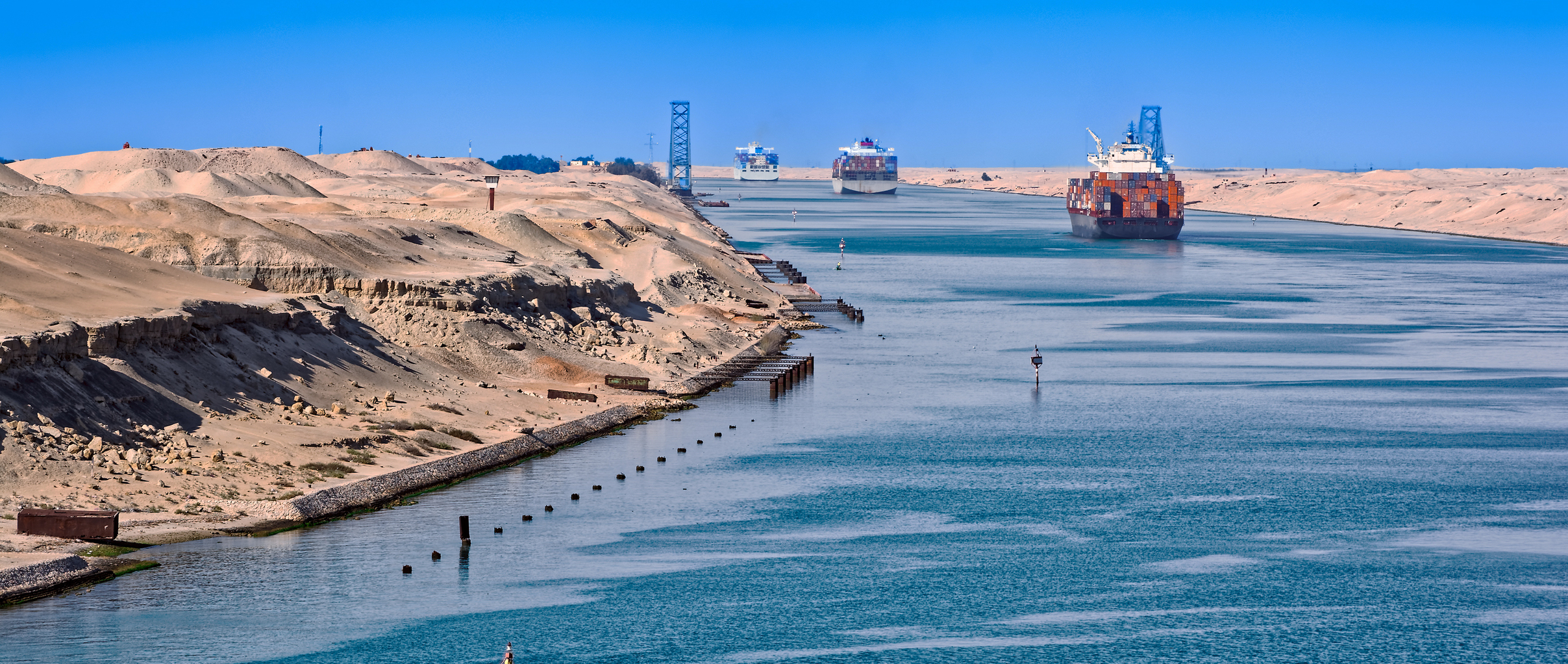
In late 2023, commercial vessels transiting the Red Sea became the target of repeated military attacks by operatives described as ‘Yemen-based Houthi militants‘. This prompted many of the world’s largest shipping lines to suspend transits through the Suez Canal to reroute around the Cape of Good Hope. What initially appeared to be a regional security issue quickly evolved into a global supply chain challenge. Voyages became longer. Fuel consumption increased as vessels spent more time at sea. Global shipping capacity tightened.
Consequences
For Caribbean importers and exporters, the consequences were immediate. Businesses importing food, pharmaceuticals, machinery and consumer goods faced longer delivery times and significantly higher transportation costs. Hotels and tourism operators had to absorb higher prices for imported supplies. Manufacture slowed as importers had longer wait time for raw materials. And retailers found it increasingly difficult to forecast delivery and manage customer expectations.
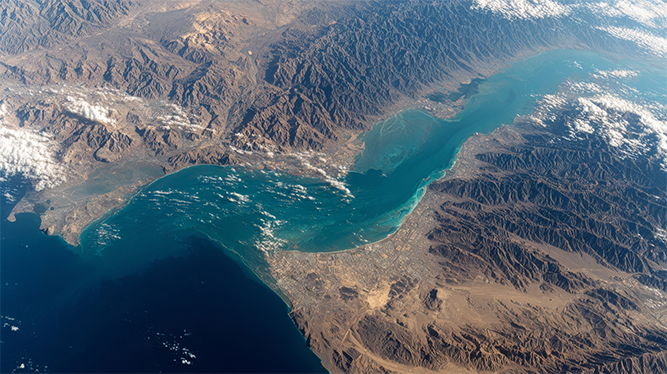
 Another reminder quickly followed, just three years later, in 2026. Rising tensions in the Strait of Hormuz sent shockwaves through global shipping and energy markets. Nearly one-fifth of the world’s oil and a significant share of liquefied natural gas pass through this narrow waterway every day. The mere possibility of prolonged disruption of global supplies was enough to increase and inflate energy prices, raise war-risk insurance premiums and create further uncertainty across international shipping networks. Although a ceasefire has eased immediate fears of a prolonged closure of the strait, the disruption exposed the fragility of supply transiting one of the world’s most critical maritime chokepoints. Shipping companies were forced to reassess routing decisions. Insurers adjusted risk assessments. And energy markets experienced heightened volatility.
For Caribbean economies, the extended episode at the Strait of Hormuz should serve as yet another reminder that even short-lived geopolitical tensions can generate lasting consequences by way of freight costs, supply chain reliability and affordability of imported goods.
Strategic priorities for Caribbean ports
What does this mean for Caribbean Port Leaders? The lessons from the Suez Canal blockage, the Red Sea crisis and the Strait of Hormuz should be clear. Global disruptions are no longer isolated events that affect only the geographical regions in which they occur. They are in fact strategic business risks that influence shipping schedules; freight costs; supply chain reliability; and, the competitiveness of ports around the world including ports in the Caribbean. Hence, resilience must be treated as a core business capability embedded within strategic planning, governance and day-to-day operations. It can no longer be viewed or treated as a project initiative to be undertaken after a crisis.
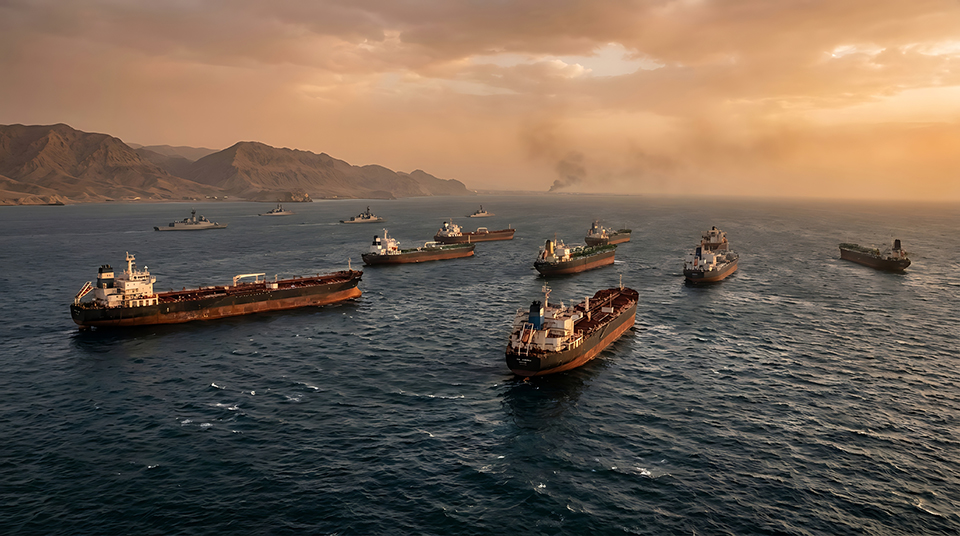
In today’s world, the question for survival is no longer about whether the next global disruption will affect Caribbean trade and, by extension, the peoples of the Caribbean. It will. The question for survival in today’s world is how prepared the peoples of the Caribbean will be going forward.
The maritime industry has always operated in an environment of uncertainty. What has changed is the scale, speed and interconnectedness of today’s risks. Geopolitical conflict, cyber threats, climate events, regulatory changes and supply chain disruptions no longer occur in isolation. They interact, creating cascading effects that can quickly overwhelm organizations that are unprepared. As such, Caribbean port leaders should:
1. Treat Geopolitical Developments as Business Intelligence: Port executives do not need to become foreign policy experts but they do need to understand how global events influence shipping routes, fuel prices, trade flows and customer behaviour. Regular monitoring of geopolitical developments should form part of executive decision-making just as financial performance and operational metrics already do. Waiting until disruptions reach Caribbean shores is not an effective strategy.
2. Strengthen Business Continuity and Operational Resilience: Port managers should regularly ask and address the simple question: If a major global disruption occurred tomorrow, how quickly can we adapt? This extends beyond emergency response plans. It includes reviewing contingency arrangements with shipping lines, ensuring critical systems have appropriate redundancy, strengthening cybersecurity, improving communication protocols and conducting scenario-based exercises with terminal operators, customs authorities and emergency services. The objective is not to eliminate disruption but to minimize its impact and recover quickly.
3. Invest in Governance as a Source of Competitive Advantage: Governance is often viewed through the lens of compliance. Increasingly it is becoming a commercial differentiator. Shipping lines and investors value certainty. They seek ports where decisions are transparent, regulatory processes are efficient and institutions inspire confidence. Strong governance reduces operational risk, supports investment and builds trust with customers and international partners.
4. Strengthen Regional Collaboration: No Caribbean port operates in isolation. Shipping networks connect the Region. Information sharing between port authorities, shipping companies and other key stakeholders across this massive Caribbean network of port systems will become increasingly important over time. Regional resilience will ultimately depend on regional cooperation.
5. Invest in People as Much as Infrastructure: Modern ports require more than deeper channels, larger terminals and advanced technology. They require leadership capable of making informed decisions in complex and rapidly changing environments. Building that capability means investing in human development as it relates to strategic risk management, digital skills, leadership development and continuous professional training. Technology can enhance resilience but it is people who make and implement the decisions that determine whether organisations succeed during periods of disruption.
 Leading through uncertainty
Geographically and politically, the Caribbean Region has not changed but the nature of maritime risks has. The ports of the countries of the Region that succeed over the next decade will not necessarily be those with the largest container terminals or the deepest natural harbours. Rather, the ones that succeed over the next decade will most likely be those that effectively anticipate change; embrace innovation; strengthen governance and build resilience before the next inevitable disruption occurs. []
FIRST PUBLISHED: Portside Caribbean, September 1, 2026.
#CaribbeanHistory #CaribbeanPorts #CaribbeanEconomies #CaribbeanVulnerabilities
References:
-
- International Monetary Fund. (2025). Regional economic outlook: Western Hemisphere. https://www.imf.org/en/Publications/REO/WH
- Lloyd’s List. (2024–2026). Analysis and reporting on the Red Sea crisis, Strait of Hormuz, and global shipping disruptions. https://lloydslist.com
- Organisation for Economic Co-operation and Development. (2024). Global supply chain resilience: Building stronger and more diversified supply chains.
- United Nations Conference on Trade and Development. (2024). Review of maritime transport 2024. United Nations. https://unctad.org/publication/review-maritime-transport-2024

Deniece M. Aiken, PhD is a maritime lawyer, researcher and international consultant specializing in maritime governance, the law of the sea, and international maritime policy. Her work focuses on translating complex global maritime issues into practical insights for policymakers and industry leaders. []